

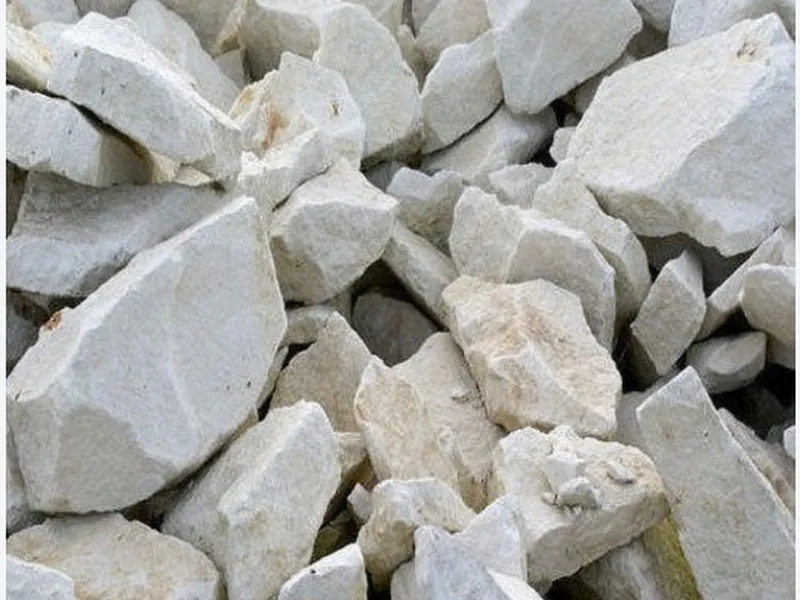
Cement quality starts at the quarry. Limestone, laterite, bauxite and red ochre are blended to reach a target chemistry — and small changes in raw material composition can upset the whole kiln.
Key Parameters
- LOI (loss on ignition) – mainly CO₂ released from carbonates; indicates limestone purity
- CaO – the main source of lime for clinker
- MgO – must be controlled, as excess MgO can affect soundness
- SiO₂, Al₂O₃, Fe₂O₃ – decide silica and alumina modulus and how easily the mix burns
- K₂O, Na₂O and chloride – alkalis and chloride can cause kiln build-up
- Insoluble residue – material that does not react in the process
Correctives: Laterite, Bauxite and Red Ochre
When limestone alone cannot reach the target, iron and alumina correctives such as laterite, bauxite, red ochre and red mud are added. Testing each lot keeps the raw mix on target.
How Chittor Test House Can Help
We analyse limestone, dolomite, laterite, red ochre, red mud and bauxite as per IS codes, and offer onsite joint sampling at your quarry or plant.