

Introduction
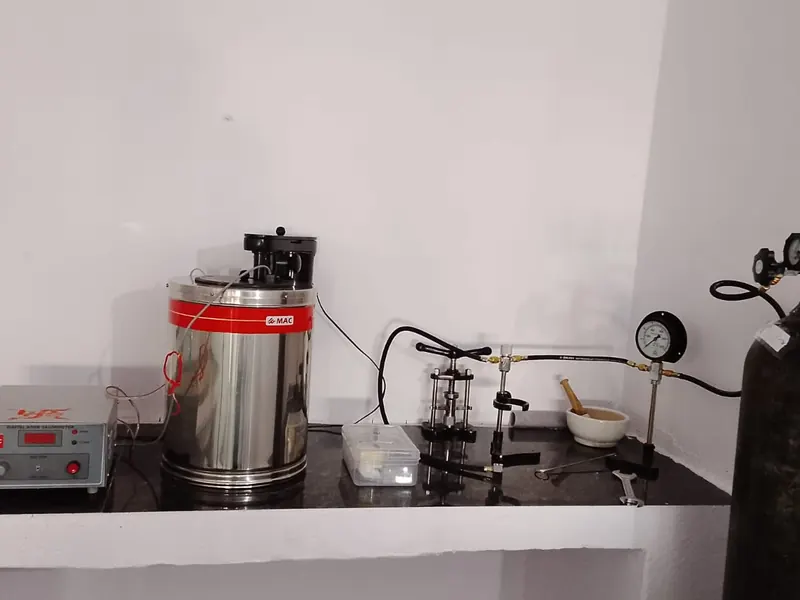
The value of coal depends on how much useful heat it can release and how much moisture, ash and sulphur it carries. At Chittor Test House — a NABL accredited (ISO/IEC 17025:2017) laboratory — coal, coke, husk and biomass pellet samples are prepared under controlled conditions, dried in calibrated ovens, ashed in a muffle furnace and fired in a bomb calorimeter to produce dependable results.
For husk, ETP sludge and other waste materials used as alternative fuel, we also offer gross calorific value (GCV) testing on its own.
Test Parameters & Specifications
| Parameter | Reference method* | Equipment |
|---|---|---|
| Inherent moisture | IS 1350 (Part 1) | Hot air oven, analytical balance |
| Volatile matter | IS 1350 (Part 1) | Muffle furnace |
| Ash content | IS 1350 (Part 1) | Muffle furnace |
| Fixed carbon | By difference (IS 1350 Part 1) | Calculated |
| Gross calorific value (GCV) | IS 1350 (Part 2) | Bomb calorimeter |
| Sulphur content | As per applicable IS method | — |
*Reference methods are indicative and are confirmed at the time of quotation.
Materials Covered
- Coal and coke
- Pet coke
- Husk and biomass pellets
- ETP sludge and waste material (GCV only)
Applications
- Incoming coal acceptance at cement and power plants
- Fuel blending for kilns and boilers
- Supplier and consignment verification
- Trade and dispute resolution support
Benefits
- Pay for real energy – GCV data lets you compare price against actual heat value delivered.
- Protect equipment – knowing ash, volatile matter and sulphur helps prevent efficiency losses and corrosion.
- Consistent quality – regular testing reveals variations between lots and suppliers early.
- Accredited reports – formal reports from a NABL accredited laboratory support contracts, audits and claims.
Industries Served
Cement plants, thermal and captive power plants, brick kilns, steel and sponge iron units, coal traders and importers, and process industries.