Whether you run a cement kiln, a boiler or a brick kiln, the coal test report is your best tool for judging what you are really paying for. Here is how to read the main parameters.
Inherent Moisture
Moisture adds weight but no heat. Higher moisture means you pay for water and lose energy evaporating it in the kiln or boiler.
Volatile Matter
Volatile matter is the part of coal released as gas when heated. It affects how easily coal ignites and how the flame behaves.
Ash Content
Ash is the non-combustible residue. High ash reduces heat value, increases handling costs and can cause clinkering and deposits.
Gross Calorific Value (GCV)
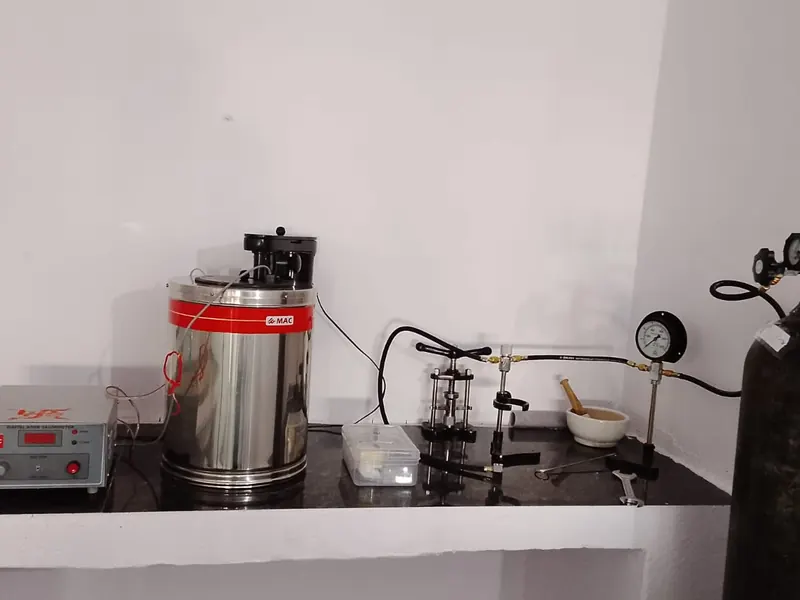
GCV, measured in a bomb calorimeter, is the total heat released when the fuel burns completely. It is the single most important figure when comparing price against energy delivered.
Sulphur Content
Sulphur contributes to emissions and corrosion, and in cement kilns it affects clinker chemistry. Knowing it helps you blend fuels sensibly.
Tips for Reliable Results
- Collect a representative sample from the whole lot, not just the surface
- Use air-tight bags so moisture is not lost in transit
- Always check the basis of the result (as-received, air-dried or dry)